Coffee Cake: The Font That Makes Your Handmade Shop Feel Authentic
I was wrapping a set of honey-scented beeswax candles, my hands covered in a fine dust of dried lavender, when I realized my labels were missing something. They had the colors, the layout, but the text felt stiff and impersonal. That’s when I opened my design software and typed ‘Handmade Beeswax Blend’ using Coffee Cake. Suddenly, the words on my mockup weren’t just information; they were an invitation. They curled and danced with a genuine handwritten charm that felt as personal as the product itself. It was the perfect spark.
The Personality Behind the Letters
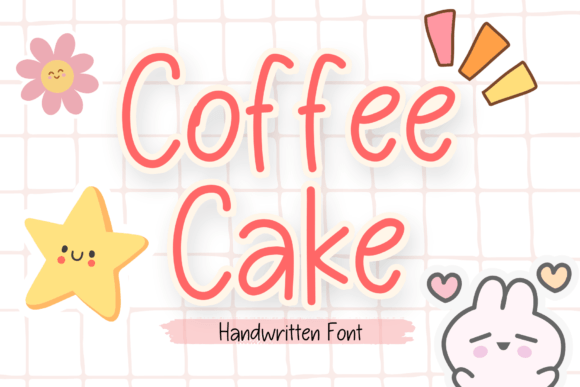
Coffee Cake is a script font, but it feels more like a trusted tool in my craft box. Its style isn’t overly formal or wildly chaotic; it sits beautifully in that sweet middle ground of playful authenticity. Each letter has a natural, slightly irregular flow that mimics the warmth of real handwriting, but with the consistency a product maker needs. The overall mood is inviting and friendly—it doesn’t shout, it whispers a welcome. This charm is its greatest creative appeal. It adds a human touch to digital designs, making everything from a simple sticker to a complex wedding invitation suite feel carefully crafted, not just assembled.
Bringing Products to Life with Typography
From that initial candle label, I started seeing Coffee Cake everywhere in my shop workflow.
On Physical Products & Packaging
For my jar labels and boutique product tags, Coffee Cake is now my go-to for the product name or a short, evocative phrase like ‘Farmhouse Kitchen’ or ‘With Love.’ It transforms a plain tag into a keepsake. On packaging, like a simple kraft paper wrap for a ceramic mug, using Coffee Cake for ‘Thank You’ or a customer’s name immediately elevates the unboxing experience. It tells my customer that attention was paid to every detail.
For Stationery & Celebrations
When a friend asked for help with her wedding welcome sign, we used Coffee Cake for the couple’s names and the main greeting. Its authentic bounce felt perfectly suited for a rustic, personal celebration without being too fussy. For greeting cards and birthday invitations, it shines in the title text. ‘Baby Shower’ or ‘Celebrate’ written in Coffee Cake sets a warm, joyous tone right from the envelope.
In Digital & Home Decor Spaces
As a printable creator, Coffee Cake adds immense value to digital wall art and planner pages. A phrase like ‘Gather Together’ on a autumn-themed printable feels cohesive and artful. For my digital download preview images and shop branding, using Coffee Cake in my logo and social media graphics creates a consistent, recognizable visual voice. It helps my audience connect my brand with a feeling of handmade care.
How This Font Affects Your Shop’s Heartbeat
Using a font like Coffee Cake isn’t just about aesthetics; it’s about communication. On product presentation, it directly influences perceived quality. A beautifully handwritten product name suggests craftsmanship. For brand consistency, sticking with Coffee Cake across your labels, cards, and website creates a strong, memorable identity. Customers begin to recognize your style visually, which builds trust. Most importantly, it taps into emotional appeal. Handwritten-style typography feels personal, direct, and engaging. It can make a customer feel like they’re receiving something made just for them, not bought from a vast, impersonal catalog.
Practical Advice for Real Maker Projects
Coffee Cake excels as a display font. It’s ideal for short phrases, names, titles, and decorative wording—think product labels, main headlines on invitations, or featured text on a tote bag design. For longer blocks of text, like instructions or detailed descriptions on a card, I pair it with a clean, simple sans serif font. This combination ensures readability while letting Coffee Cake’s personality shine where it matters most.
Readability is key for physical execution. When designing small stickers or tags for my Cricut, I test the size carefully. Coffee Cake’s details remain clear at reasonable sizes, but I avoid using it too tiny for intricate cuts. For printed cards and mockup previews, it renders beautifully because its strokes have enough weight to stand out. Always print a test sample on your actual paper or material before a full run.
A Few Realistic Scenarios from My Desk
- Seasonal Craft Designs: ‘Merry & Bright’ on a holiday ornament tag, or ‘Spring Bloom’ on a seed packet label.
- Product Branding: The featured script on my line of natural soap bars, consistently used across all variants.
- Digital Template Previews: Using Coffee Cake for the title text in my editable wedding invitation template listings.
- Home Decor Signs: A single word like ‘Welcome’ or ‘Gather’ on a mockup for a wooden farmhouse sign.
Before You Sell: The Essential Font Checklist
As a commercial seller, whether you’re creating physical merchandise or digital downloads, your font license is crucial. Always verify that your purchase of Coffee Cake includes a commercial license that covers your intended use—selling physical products with the font applied, or selling templates and printables where the font is embedded for customer use.
Dive into the font’s included features. Does Coffee Cake have alternates or ligatures? These can add wonderful variation, allowing you to customize words so they look even more natural. Check the supported file formats to ensure compatibility with your design software, cutting machine software (like Silhouette Studio or Adobe Illustrator for SVG), and any web tools you use. Also, note its multilingual support if your market extends beyond English. These technical details ensure the font works smoothly in your real-world production, from design to final product.
In the end, a font like Coffee Cake becomes more than a design asset; it becomes part of your brand identity. It’s the quiet hand that writes the story of your shop on every label, card, and package. When your typography feels as authentic as your craft, everything connects.